Lavender fields in Provence

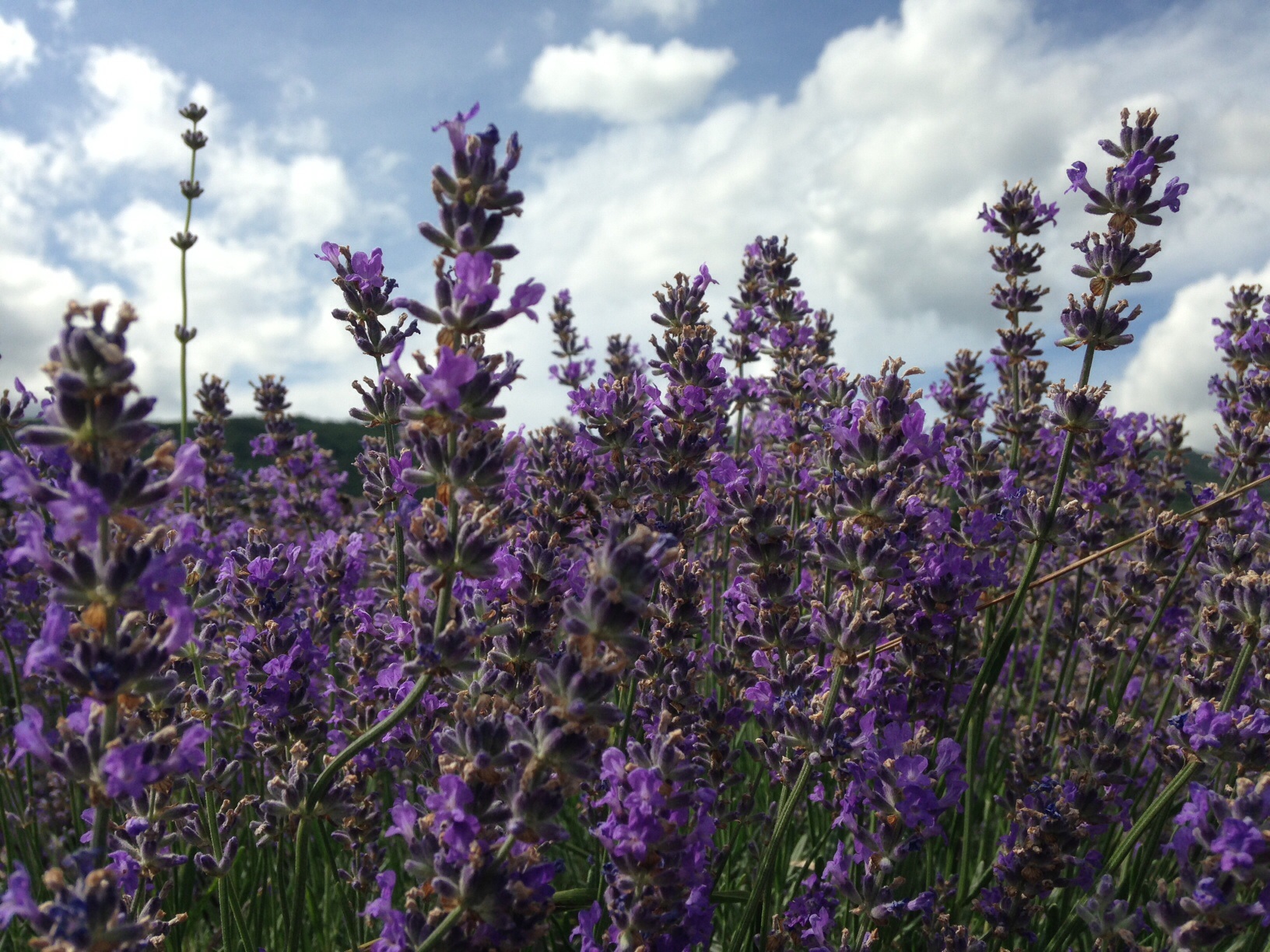
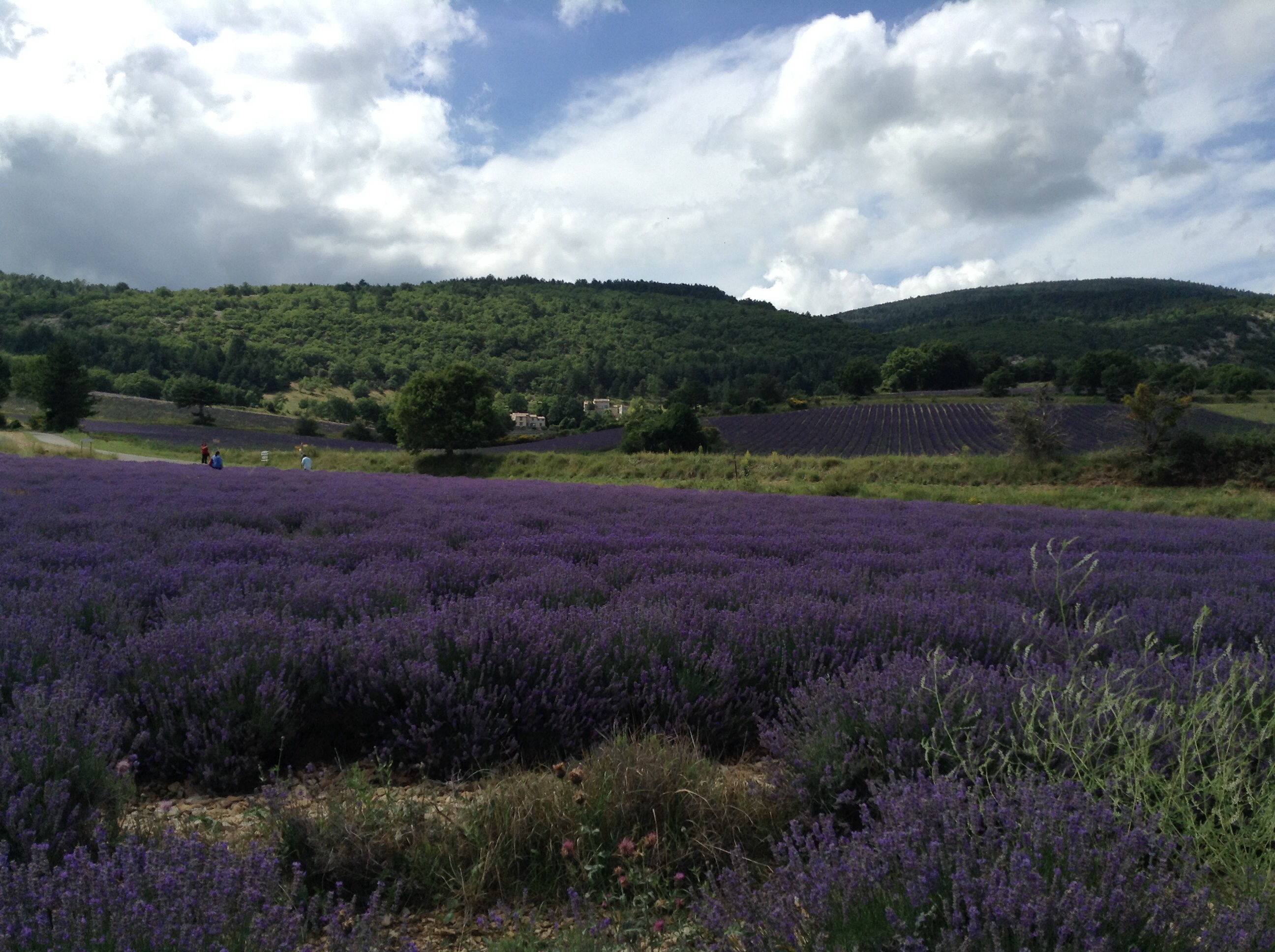
July is the month when lavender is in full bloom. In Provence, a dreamlike landscape is on display: beautiful hills punctuated with lavender shades and the yellow sunflowers to complement the green valleys. It looks just like a painting, only alive.

I’ve wanted to come and see this for myself since my arrival in France, but had to wait for the peak season. Lavender flowers start blooming in late June, colour rural Provence, and begin to get harvested as early as the last week of July. There are a few areas famous for lavender production, Grasse and Luberon being the most notable. I have come to Avignon for the week-end, in order to explore the latter.

Surprisingly, I have yet to meet one French person who’s even entertained the thought of taking a drive through lavender fields for the pleasure of it, though they may have passed through here in their descent from Paris to the Cote d’Azur for les grandes vacances. My colleagues at work, inveterate Parisians, thought my plan to come here very odd.
Foreign tourists, however, flock in for the show every summer, to the joy of locals who hike up all prices and exploit our whims with delight. The timing of lavender displays coincides with the annual Avignon Festival, the most famous theatre festival in France. I am currently the guest of a beautiful Avignon hotel, truly unique, classy and relaxing and also outrageously priced. Let’s just say I have stayed at the Waldorf-Astoria in New York for considerably less. So, if you are ever planning this trip in July…go to Grasse!

Having said that, much as I have paid a Euro per breath, walking through the fragrant lavender fields, surrounded by colour, scent, the sound of bees, a gentle breeze and nothing else was truly a moment to be cherished for a lifetime. Thirsty for peace and relaxation as I am, however, I will be going back for more tomorrow!

image

image

image

image

Three seasons in one day

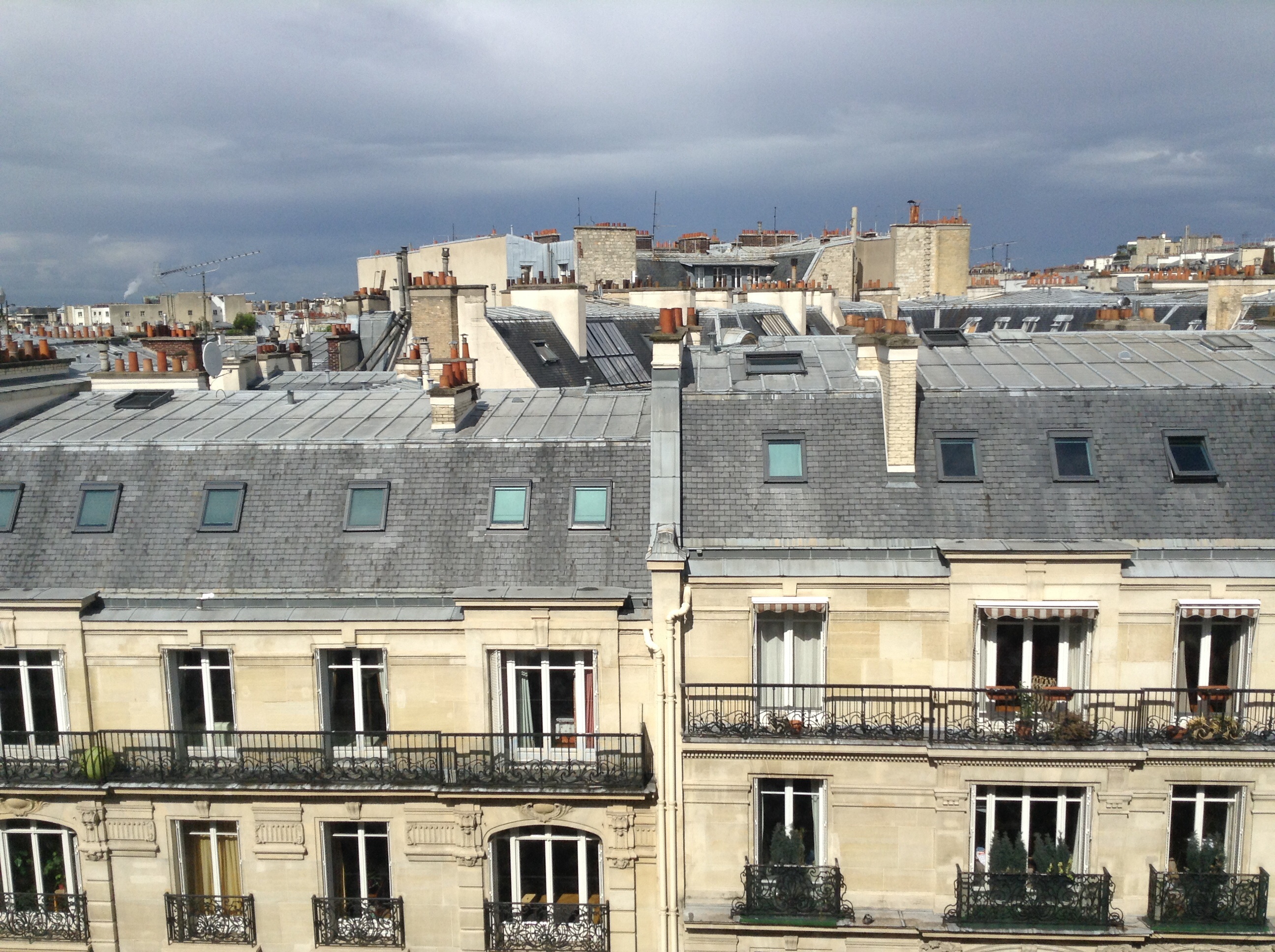
…almost like the song. Sorry to disappoint but even when living in Paris one has to take some time to sleep, do dishes, laundry and clean the house.  This week-end was one of those for me. The weather was appropriately unhelpful, too: weather in Paris is really fickle, you can get sunshine, rain, more sunshine, more rain….on the very same day.

image

image

image

Next week-end, however, I should have more exciting updates, as I am going into the heart of Provence  to see the famed lavender fields in full bloom. I promise lots and lots of photos upon my return! Till then, a little preview…here is my little French pet!

image

In And Out of Place

Interesting read….

Yasmine's avatarLandscapes of Cairo

This week features a piece by Sara Salem, a PhD scholar based in Cairo.

Throughout my life I have gone through different phases in terms of relating to where I am from or where I belong. Growing up in Zambia with an Egyptian father and Dutch mother meant that a restless feeling of not quite being settled was always part of my life. During my teenage years I remember this expressing itself as a dramatic quest to find out “who I am” and “where I belong”—something that should probably be attributed to the fiction I liked to read or drama shows I liked to watch rather than some universal human need to belong somewhere. I quickly grew out of that and the question didn’t seem to matter so much anymore. When I was 16, I moved to Egypt, when I was 22, I moved to the Netherlands, and for now…

View original post 758 more words

Encounter on a plane

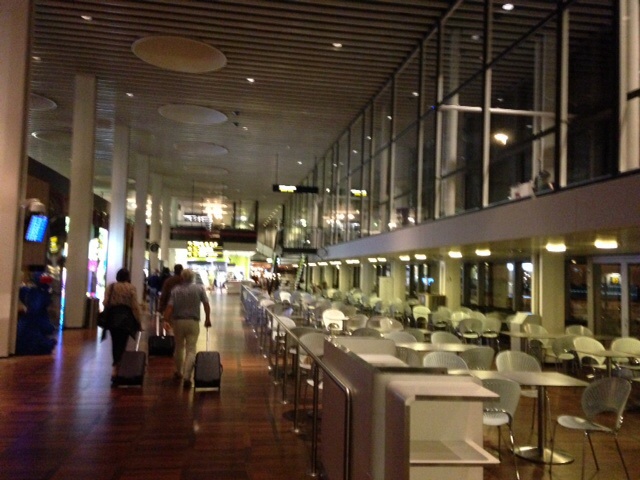
You know you’re travelling too much when your own apartment feels more like a hotel.
I am back home, beyond exhausted, and yet, cannot sleep. Too much adrenaline, I suppose.
After six flights within the last week- two of which, granted, were self-induced – I feel ready to stay put on solid ground for a while. Whether that is achievable or not is largely beyond my control.

However, I thought I balance my usual complaining and outline a brief episode that speaks to the benefits of frequent travel. You see, one good thing about flying often is that it presents the opportunity of some interesting, totally random encounters. The other day, for example, on my way to Copenhagen, I found myself seated on the plane next to an eccentric-looking lady, who I could tell hated flying just as much as I do, by the way she was grimacing at every turn of the plane.

….Turbulence hits and we’re suddenly best friends – after-all, this might be our very last human encounter!

It turns out this very funny lady used to live in Rome (my favourite place on Earth)…and Paris, and Madrid. She tells me she hates flying, despite having had 20 years of flying “three times a week, to the point that I never was quite sure where I am”! Interesting…
Then, in the course of conversation I hear she hates North America (“plastic land with plastic people’), even though she had some success there ‘in films’….She doesn’t like the Danish much, either, even though she’s one of them, because “they pretend they’re so happy, but then why do they drink so much, why take drugs and have such high suicide rates?”. The lady is certainly opinionated, and caustic enough for me to take a real interest in.

It turns out this lady was, way back when, the most famous Danish model ever, former Miss Universe and famous throughout Europe in the 60s and 70s. She had lived her life on different continents, had fun with famous people (how many people could say they got wined and dined by Cary Grant?) and subsequently retired into a sedate family life back in Denmark.

Needless to say, I only half-believed the story. But then I asked her name, googled it later at the hotel, and, sure enough, everything she said is all very true. I’m not going to put her name here, since I am a proponent of privacy, so you’ll just have to trust me on this.

Interestingly, she said something that I’ll try and remember and take into account from now on. When talking about careers, she said the most important thing and the key to all success is to believe in yourself AND share that belief with the world. She said one’s career is like a shop: if you don’t invite people in and show them all the wonderful things you have, they may never think of buying them, and might walk past the shop altogether. So you have to believe in yourself and make sure you engage people to also believe in you. It my sound corny, but I think this is actually very good advice. And here I am, all prejudiced and thinking all models are, by definition, brainless.

Anyway, the whole thing got me thinking about how travel can enrich one’s life beyond the joy of seeing beautiful things. And how such seemingly random encounters can shape your own life in unexpected ways.

For example, two years ago, while travelling through Italy, while in Verona, one morning I went down for breakfast in my hotel. At an adjoining table there was this older man (in this 80s), who was pensively listening to the opera being played in the background and tearing up with emotion. We got to talking about opera (the famous Arena di Verona festival was on) and I found out he was originally from Italy but living in Canada. And that he adored opera and, every year, he would come to Verona for a week during the festival. He had been doing it for 20 years in a row!!! At the time I thought to myself only someone wealthy would be able to afford keeping such a tradition. But life is funny that way, and this year I’ll be attending my third Arena di Verona festival myself, while the lottery is still beyond my reach. So a random travel encounter and hearing about someone else’s tradition, combined with some unexpected twists of my own fate, led to my adopting that extravagant tradition, myself.

I guess the point to this post is that travel, whether for business or pleasure, brings the opportunity to meet people who can, completely unexpectedly, surprise, and help you enrich your own life. And that perhaps all these random encounters are not that random at all, but rather little signs from fate telling you that there is a purpose to all human interaction, and that sometimes the most inconsequential encounters can have a profound effect on one’s life. Which may also mean that those people who stay put and never leave their small geographical comfort zone may miss out completely on this whole other layer of experience that is, in theory, open to all.

image

Portugal in review: a former empire with no airs

image

Portugal used to be an empire, a pioneer of colonization forging its way beyond Europe and spreading its power across the globe to India, Mozambique, Zanzibar, parts of East Africa and Brazil. Ruling remote parts of the world from the 15th to the late 19th century, Portugal was then a small country with a big ego whose people went out and acquired a lot of power and wealth.
But then, times change, the reins of power change hands, and, as was the case with other empires, Portugal eventually lost its influence and retired its grasp on the colonies.
The 20th century has not been kind on Portugal, and, though preserving some vestiges reminding one of the country’s former glory days, Portugal has, sadly, descended into being one of the poorer, more modest European Community member nations at the moment.

In fact, Portugal has had a few bad hundreds of years, and it shows. Once the European noble, it is now bourgeois but poor. Modern Lisbon, for instance, is a charming city, but no longer impressive. The charm rests in the faded old buildings and the vestiges of yesteryear, or in those monuments commemorating the country’s great explorer days. Once out of the confines of Lisbon proper, the suburbs look depressing, brimming, as they are with side-by-side communist-looking buildings or abandoned little houses. Passing through, one can sense that people are struggling economically. The modern features about Lisbon, such as the good roads and the up to date and very efficient transportation system, are, I suspect, all new post-European Community adherence investments, i.e., paid for with the resentful Germans’ Euro.
In a way, it’s sad, but it’s not unexpected, out of order, or surprising. It is life: as people are born, grow up, live, thrive, get old and die, so do empires. Europe is a living cemetery for these and examples abound: Greece is but a ghost of the ancient Greek civilization, and Italy, much as I love it, is but far away from the Roman Empire days.

As for society, the older generations of Portuguese appear typical Mediterranean in many ways: somewhat old fashioned, family oriented, loving a good meal, a good song and party, not terribly efficient and not exactly driven. Old ladies dressed in black can be seen walking around Lisbon unhurriedly, speaking to a still quite traditional Mediterranean society, where until recently a woman’s journey included marriage, producing children, and living as a mourning widow for half her life. Old men, on the other hand, collectively enjoy lazy afternoons in the public squares, talking to friends, drinking a bit (or more), playing at the remainder if their lives in an untroubled way. Younger generations wear jeans, T-shirts and skimpy tops, yet appear to pair up early and have kids quite young. Overall, there is no sign of a dramatic break with the old traditions and way of life, no whiff of rebelling agains the old ways, no austere feminism or metrosexual trend in sight.

However, one gets the feeling that the younger Portuguese want to get on with life and forge their own identity despite their current hardships. Those who can are going out to get jobs in Germany, UK, or wherever jobs are available. For those who choose to stay home, tourism is nowadays a major source of EC money and the locals appear to have adapted to this reality: in Lisbon, almost everyone in customer service jobs speaks surprisingly good English. And some German. And some French. They milk tourists kindly and politely but efficiently, and have some good political skills to do it.

For example, with the Football championships currently ongoing, most restaurants have put up a TV on their patios. This means that in the evening each restaurant houses a mini-war in progress. Different tables, different favourites, so what is the staff to do!? Which side to take!? Here’s an example, from the restaurant downstairs: the other night England was playing Uruguay. A few tables outside had English customers, while a few more tables inside had Spanish/French/Portuguese customers. An English guy asks the waiter: “who do you want to win?” The waiter says: “England, of course! I am siding with Europeans, so since Portugal is out, I would hope another European team will win”. OK. A few hours later England had lost, and the poor drunk Englishmen at the table left the restaurant. Now here come out the Latin supporters (I.e., Spanish /French/Portuguese) from inside the restaurant screaming “Uruguay! Uruguay!”. So, guess what the waiter is doing next? Screaming alongside the customers “Uruguay! Uruguay!”. Sod the Europeans, let’s be happy for the winners. I am sure he got a good tip (along with laryngitis) and while this may not give him a lot of integrity, it gives him an edge in the race for survival.

And if this is anything to go by, I think Portugal will survive this recession. Who knows, in a few years, with a new generation of younger Portuguese fluent in multiple languages and educated abroad, the country might eventually even bounce back from the current ‘poor man of Europe’ status and succeed in beating the Northern Europeans at their own game.

Overall, what I really admired about the Portuguese is their realism. The Empire is long dead and Portugal is now struggling economically, so there’s no point in putting on airs. Tourists may be dressing badly and talking loudly but they pay, so treat them well enough to get them to return. They’re on holiday, having fun, so why not return their smile? Providing good customer service does not humiliate and demean one’s worth as an individual.

Perhaps I would be less excited about these things if I were not on a plane going back to the centre of tourist-loathing, the one and only Paris, where the vast majority, especially those in customer service, view any poor tourist as a bug that is not worthy of breathing the rarified air of the French Capital.
Aahhh, to come home 🙂

image

Beautiful Sintra

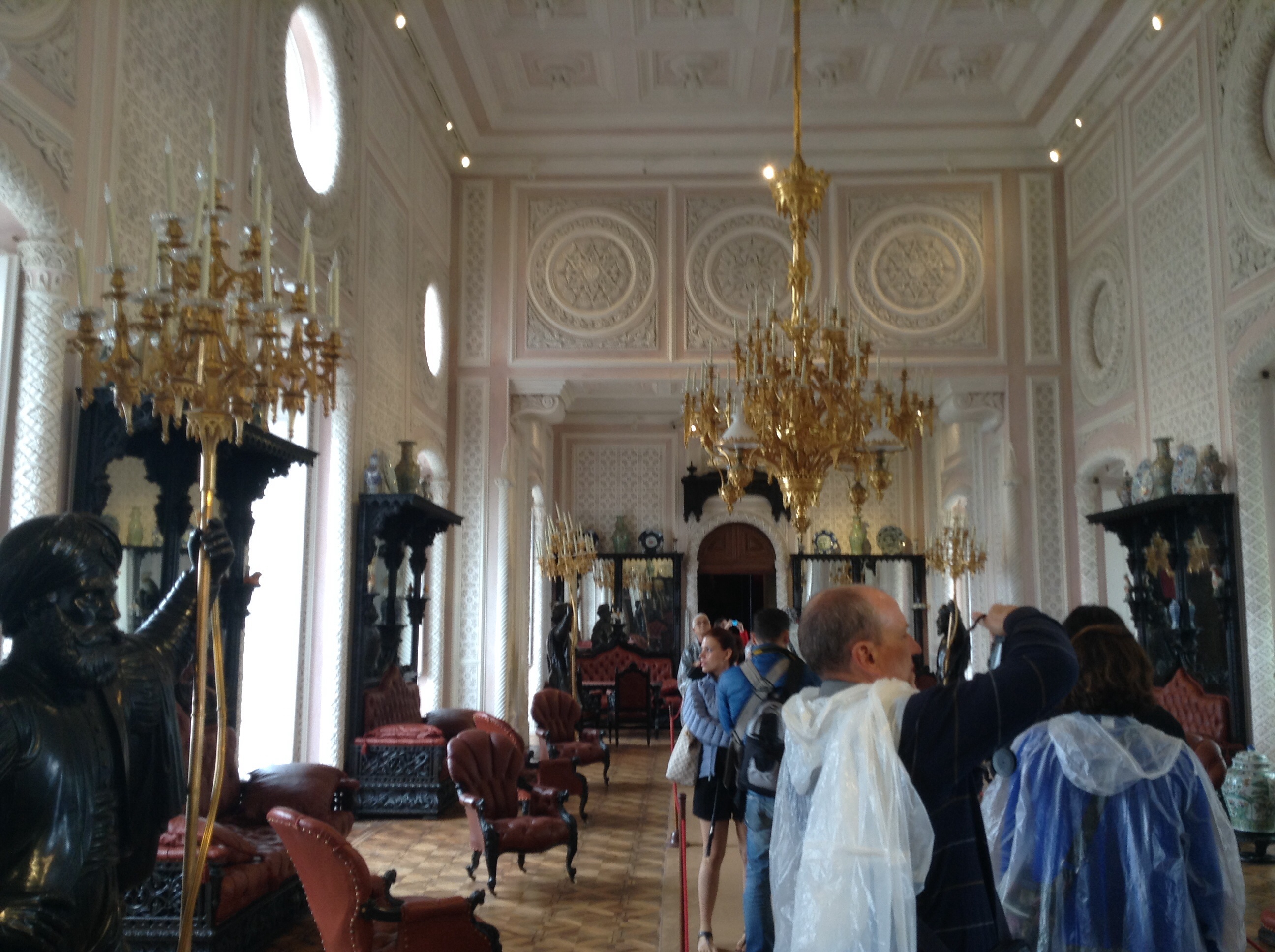
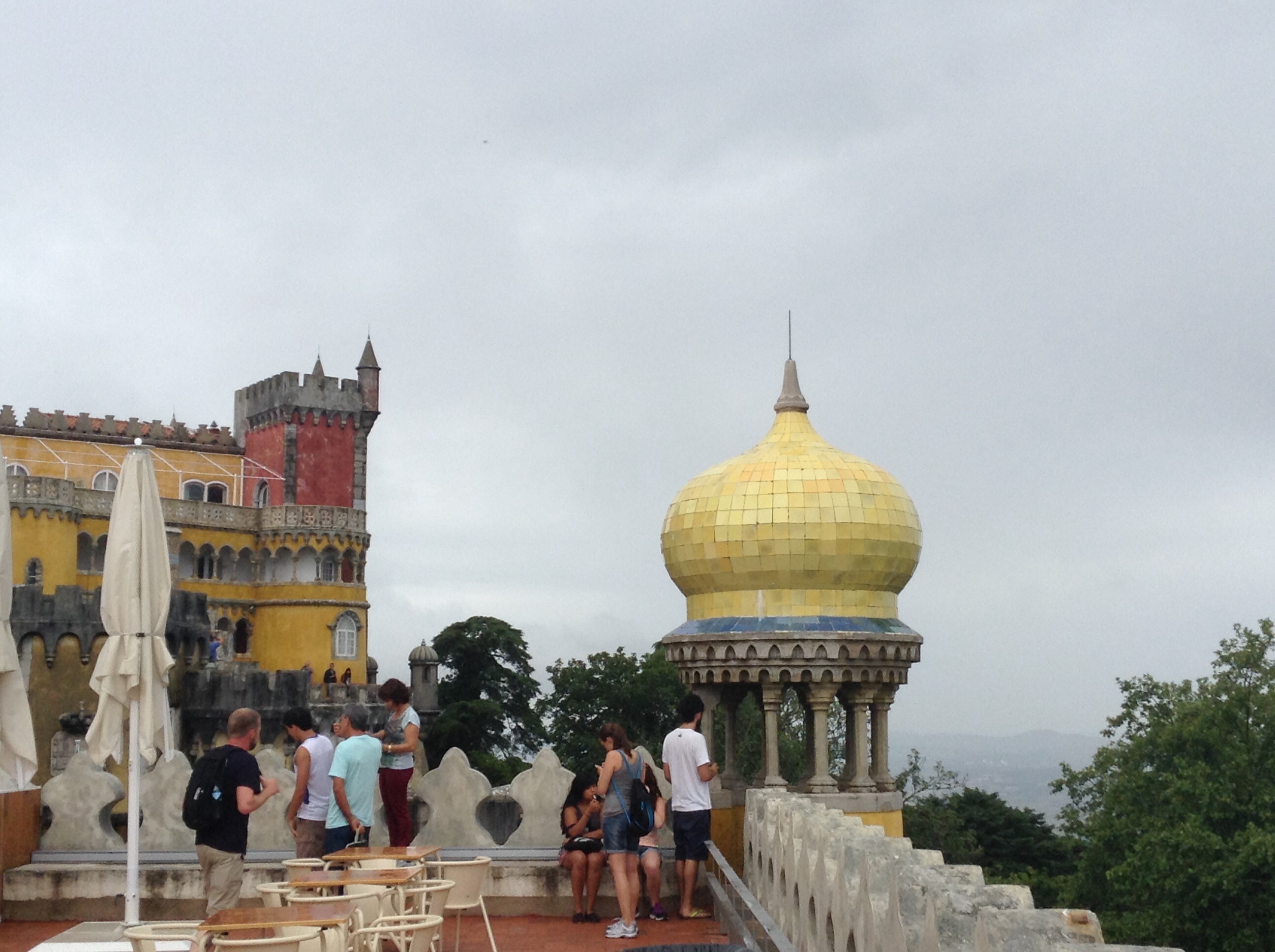
A small town just outside of Lisbon, Sintra houses the former summer residences of the Portuguese ex-royals. I visited the Pena Palace, but there is also a Sintra Palace.
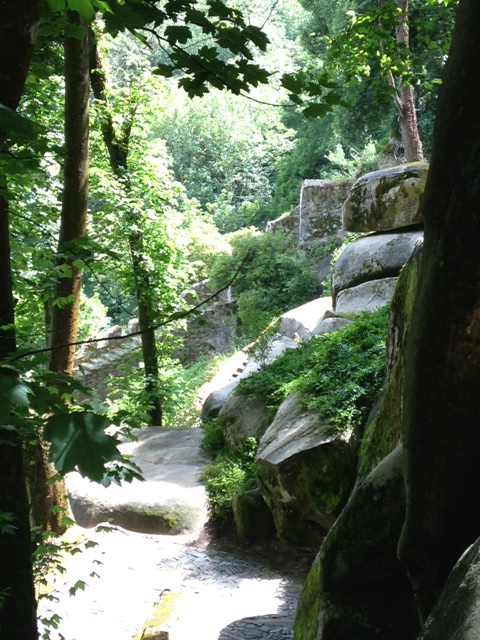
I got there soaking wet, after walking through the torrential rain this morning (left my umbrella in the luggage back at the hotel)! But it was worth it, for the surrounding forest and the scenery are so beautiful.

image

image

image

image

image

On the way back to the station I also briefly visited the Moorish Castle (self-explanatory) which is really in ruins but impressive enough for the huge megalithic like stones that surround it. Reminded me of Egypt!

image

image

image

image

Finally, Sintra, a pretty little town with colourful houses and a spa like feel. This time, unfortunately, I only really saw it from the car. Next time!

image

image

Now, if you’d excuse me, my cab (which has wifi available) just arrived in front of my building. I have to dash home for the “pack and unpack” show. It’s midnight and I need to get ready for Copenhagen again! I’ll post my impressions of my trip to Portugal from the plane tomorrow! Au revoir!

The first day of summer in Belem

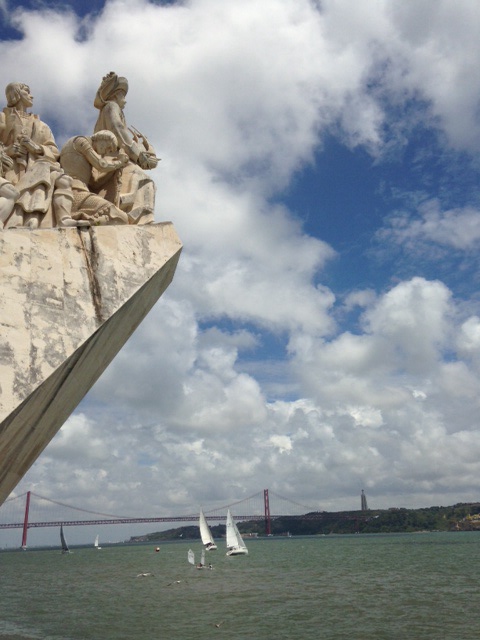
Belem is Lisbon’s historical area, home of the Torre, Lisbon’s very symbol, Jeronimos Monastery, burial site of Vasco da Gama, as well as the Presidential Palace and a number of museums.

Somewhat removed from central Lisbon and beyond the impressive 25 de Abril Bridge, the Golden Gate of Lisbon, the area spreads out alongside the bank of river Tagus.

image

image

image

The historical significance of Belem has roots in Portugal’s glorious days, when explorers would embark on their daring voyages of discovery from the very spot.

image

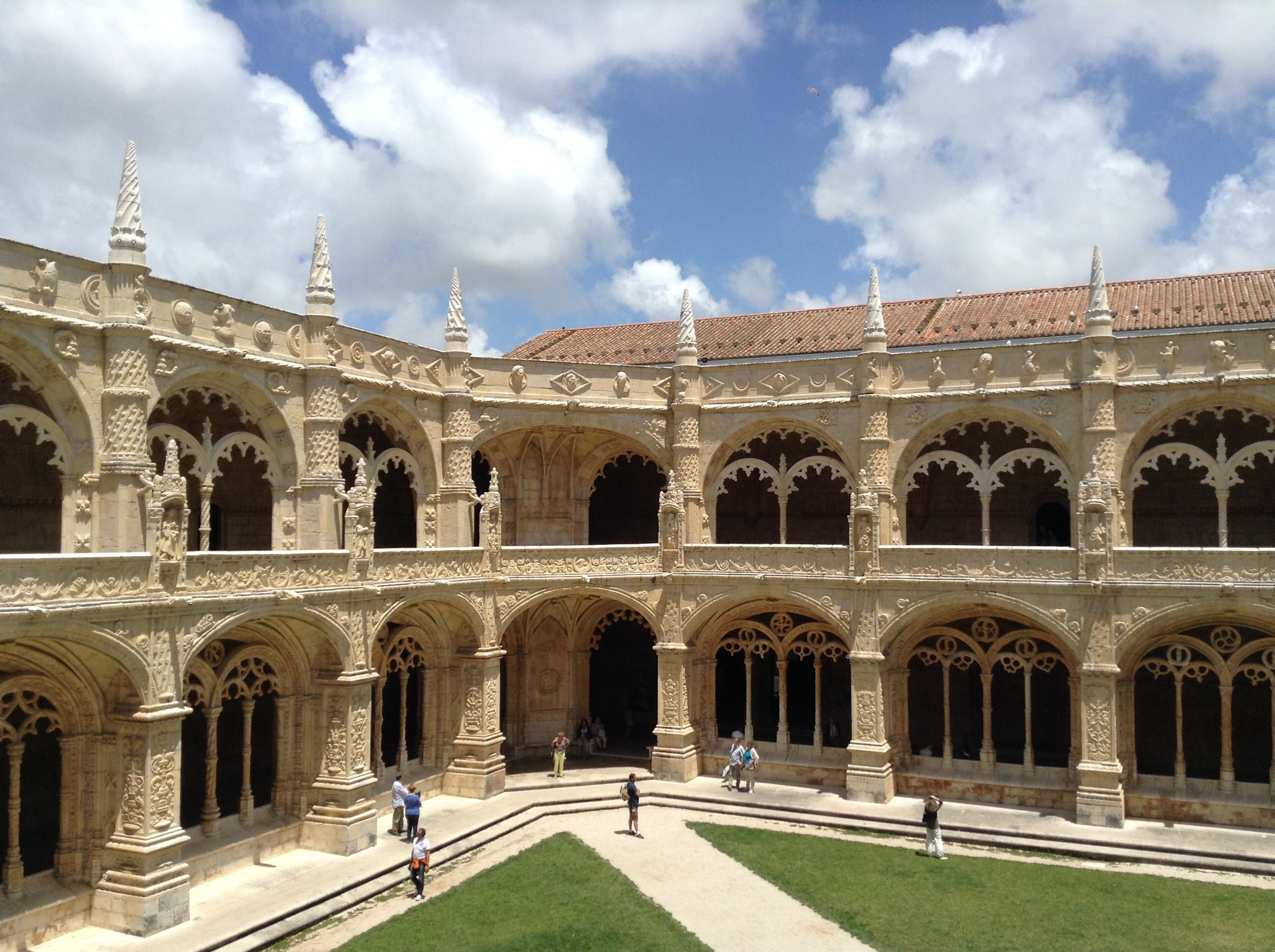
First stop, Jeronimos Monastery, an impressive example of what, as I learned today, is the Manueline style of architecture. The cloisters, in particular, are truly spectacular.

image

image

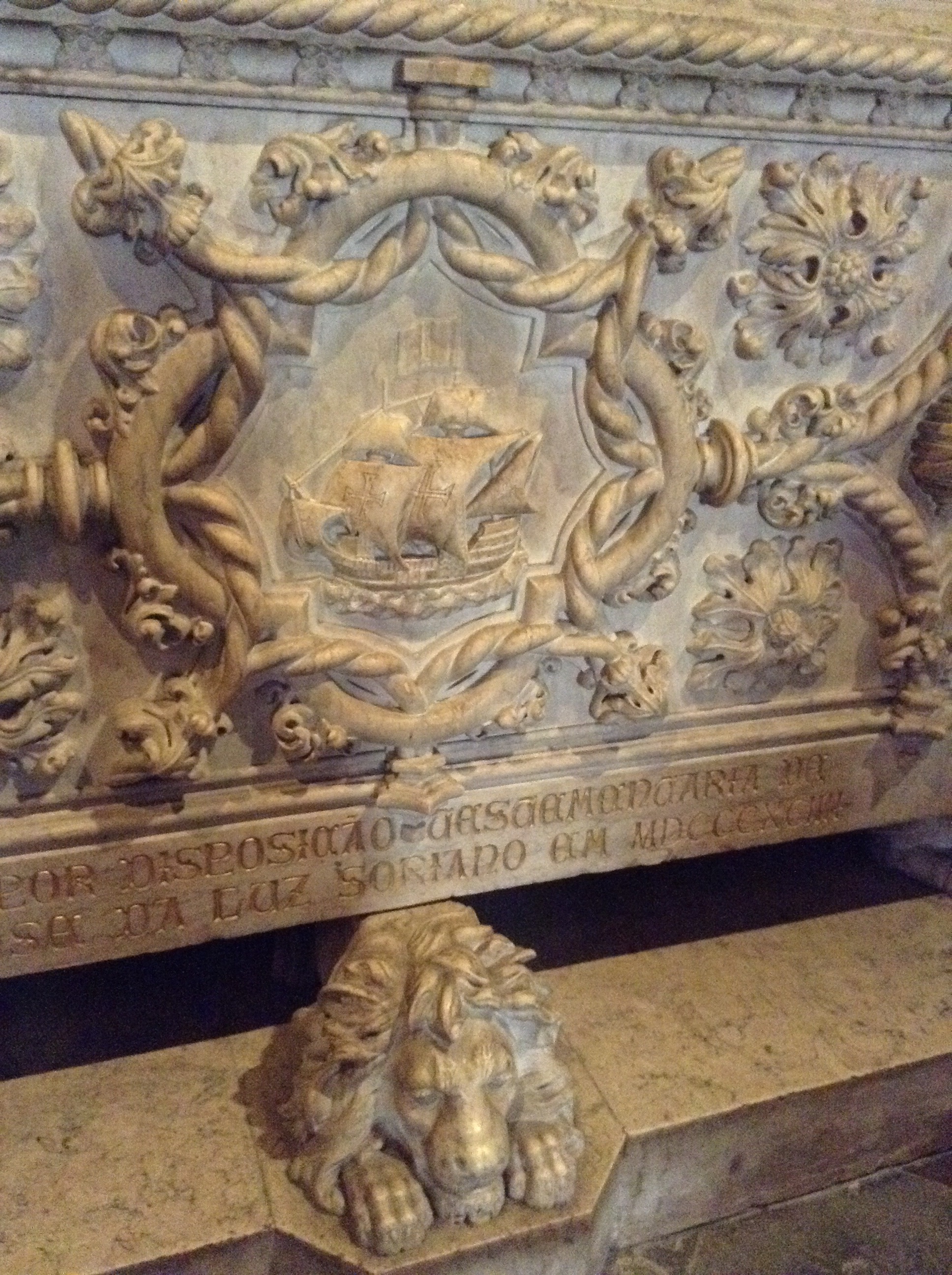
Dating from the very beginning of the 1500s and built over an older monastery serving navigators in the age of exploration, it commemorates Vasco da Gama’s successful voyage to India. His tomb can be found on the side of the entrance, all solemn yet ornate.

image

The motif echoes themes of navigation, but the sarcophagus itself rests on depictions of lions!

image

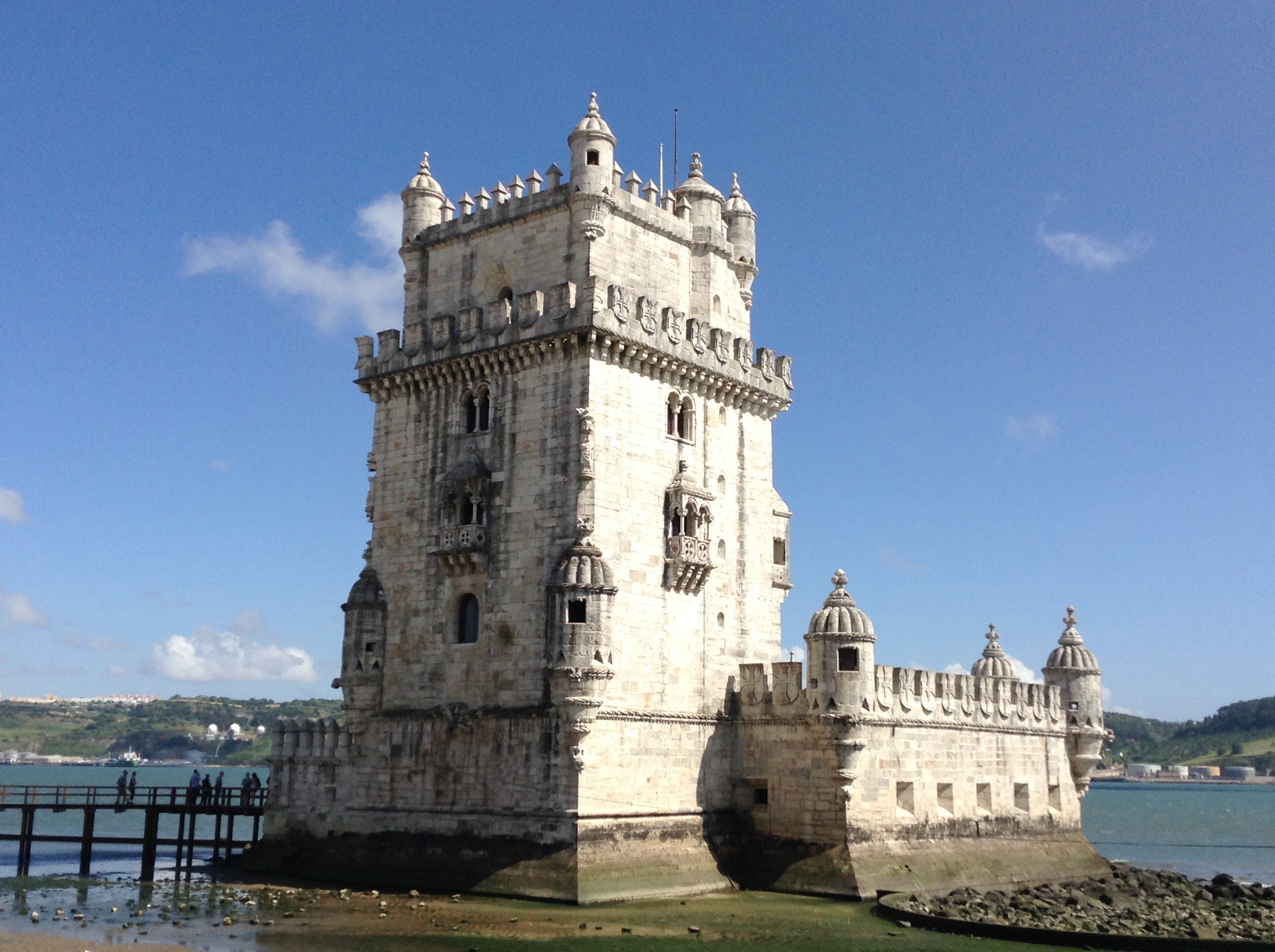
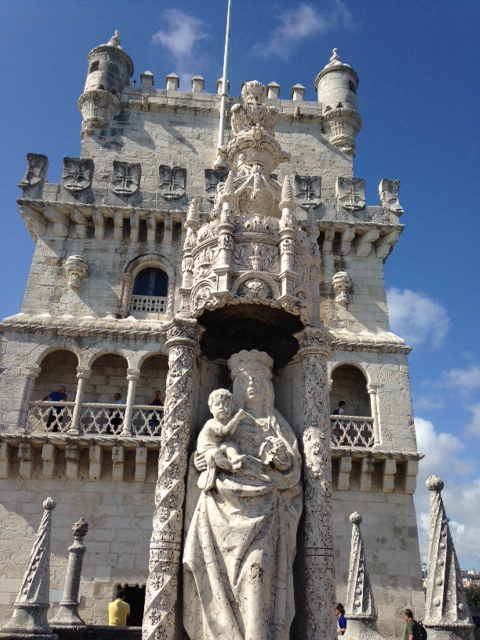
The next notable historical building in Belem, the Tower of Belem, has come to symbolise Lisbon and Portugal itself. A UNESCO heritage site, the tower was built in 1515 as fortifications to the port. Back in the day, it was the last sight of dry land for sailors heading into the seas. Beautifully ornate in the same Manueline style, it now provides some stunning views of the Targus, Belem, and Lisbon, and offers tourists a brief glimpse into what was once the hay day of the Portuguese maritime empire.

image

image

image

image

image

image

Birthday at Castelo de São Jorge -Lisbon

Here we are, a ‘year’ later ….To all those who enriched my day with birthday wishes …Muito obrigada!

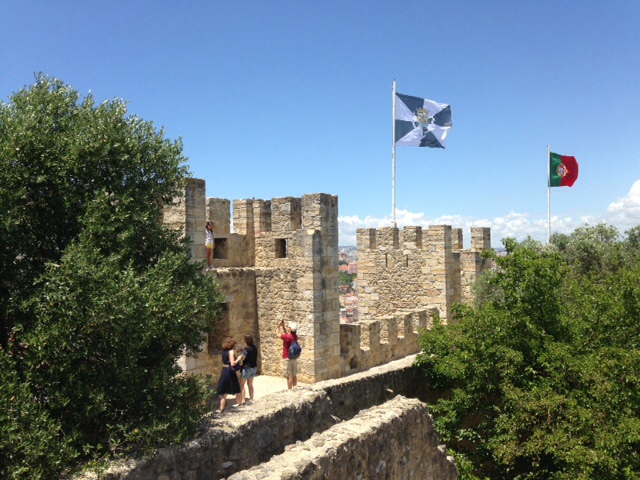
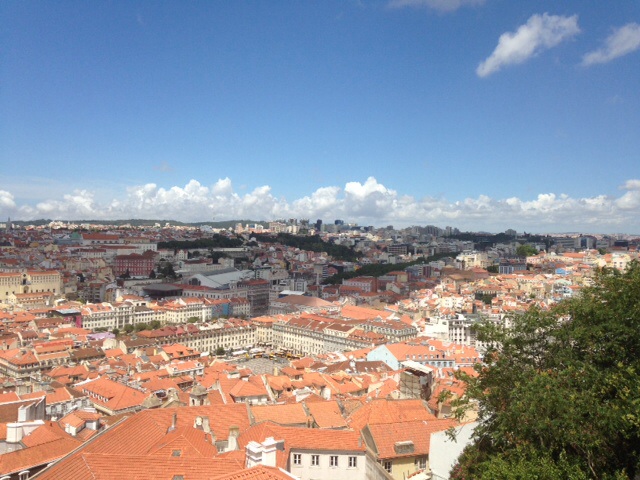
I chose to spend the day at Castelo de São Jorge, like the princess that I am! It’s a beautiful spot high up on one of Lisbon’s hills, in fact, it’s the city’s highest point.

image

image

Built In 11th century as a Moorish fortification upon 8th century unidentified ruins, it went on to become a royal residence in the 13th. Incredibly, it managed to survive the earthquake of 1755, which destroyed most of Lisbon, went through a military garrison phase in the 1800s and finally, in the 20th century it was retired to a museum and tourist spot. Nowadays, it is Lisbon’s most visited attraction, alongside Belem Tower. It offers a wonderful vista and the opportunity of a relatively secluded strole.

image

image

And so, from high above Lisbon and a place that made it through 1000 years I made it through yet another travelling birthday!

image

image

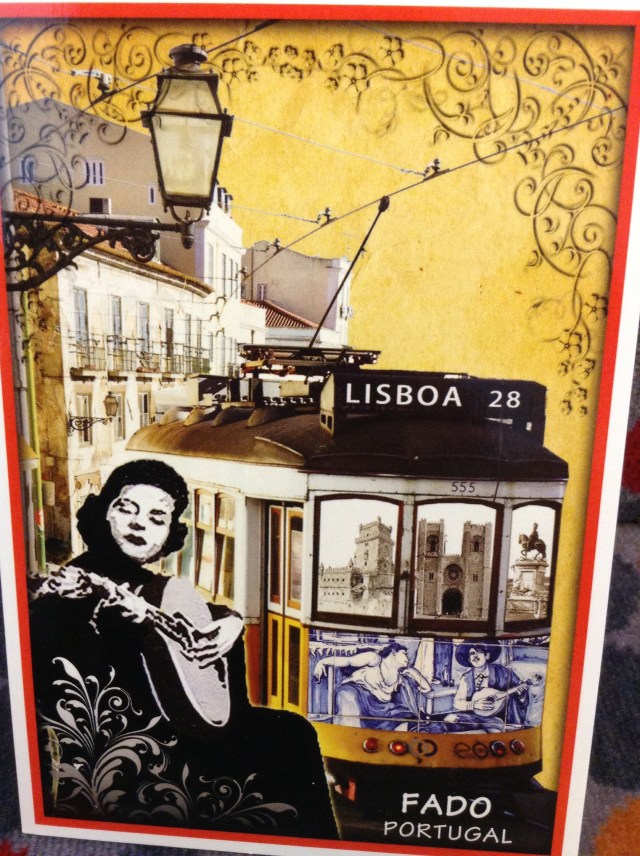
Getting ready for the land of Fado

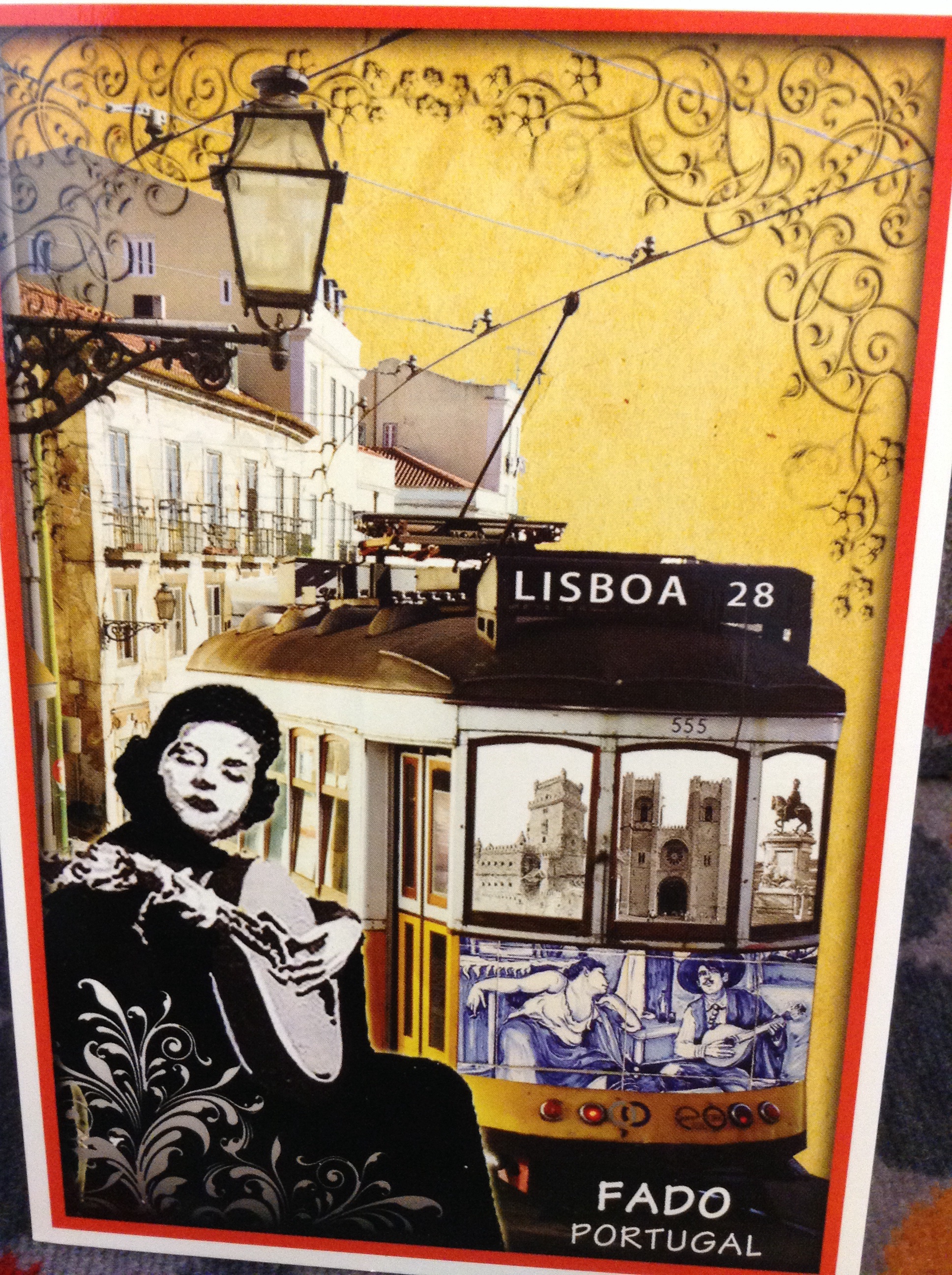
Getting ready for the land of Fado and another candle on the cake. For the first time in years, I am taking a trip with no idea and no expectation of what the place might be like. I only know that I’ll come back officially and numerically one year older. Leaving straight after work to make sure I have the full birthday in the sun! It better not be raining, as currently predicted.

image

Incidentally, who knew birthday celebrations had such a rich history? All the way to ancient Egypt.

http://www.huffingtonpost.com/2013/11/11/history-of-birthdays_n_4227366.html

image